
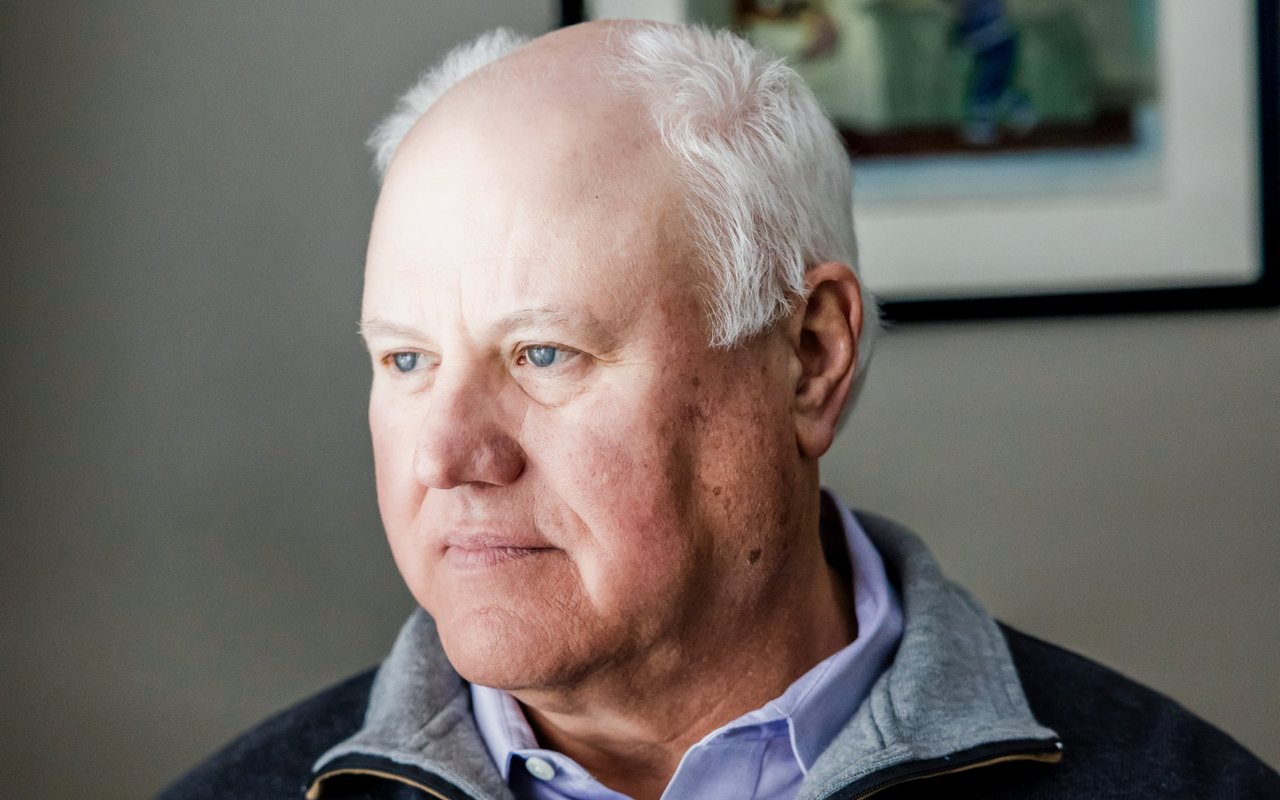

Woody’s Story: Uncovering a Hidden Cardiac Arrhythmia
The Challenge
At 68, Woody was a lifelong athlete who played baseball, golf and hockey and had rarely experienced health concerns. After a fall required surgery to repair torn tendons, his medical team identified a possible cardiac arrhythmia, or abnormal heart rhythm, while he was recovering from anesthesia. Woody had experienced no obvious cardiac symptoms, aside from a brief episode of lightheadedness on the golf course that he had dismissed as heat-related.
His experience highlights a critical challenge in cardiac care: cardiac arrhythmias can occur intermittently and may go unrecognized, particularly when symptoms are subtle or easily attributed to other causes.
The Role of iRhythm’s Zio Monitoring Service
Woody’s primary care physician prescribed iRhythm’s Zio ambulatory cardiac monitoring service to better understand his heart rhythm over an extended period. He wore the monitor for 14 days, allowing his heart’s electrical activity to be recorded as he went about his daily life.
Data from the Zio service helped his physicians confirm atrial flutter, a type of cardiac arrhythmia requiring medical attention. He was referred to a cardiologist and underwent electrical cardioversion, which successfully restored his normal heart rhythm.
His experience demonstrates how ambulatory cardiac monitoring can provide actionable clinical insights that help physicians identify previously unrecognized arrhythmias and make informed treatment decisions, including in primary care settings.
Getting Back to What Matters Most
Following treatment, Woody returned to the life he loves, including his career in sports broadcasting and spending time with his wife of 45 years, their children and two young grandsons.
For Woody, the experience reinforced the importance of his health and being present for the family milestones still ahead, including watching his grandsons grow up.
His story illustrates the human impact of iRhythm’s cardiac monitoring technology and services: helping physicians identify previously unrecognized cardiac arrhythmias, guide appropriate treatment and support patients in continuing to enjoy the people and activities that matter most.